
How to Host Elegant Dinner Parties: A 2026 Guide

Table of Contents
Start With a Dinner Party Planning Checklist
Set the Date, Guest List, and Budget
Choose a Theme or Concept
Elegant Dinner Party Menu Ideas That Fit Your Kitchen
Plan Courses, Drinks, and Dietary Needs
Build a Dinner Party Timeline for Hosts
Prep Ahead and Set Up Your Kitchen
Pacing the Evening and Handling What Goes Wrong
Create an Elegant Dinner Party Table Setting
Choose Dinnerware, Linens, and a Centerpiece
Troubleshoot Common Dinner Party Problems
Cleanup, Food Safety, and Leftovers
Frequently Asked Questions
Last Updated: October 12, 2026
Start With a Dinner Party Planning Checklist
Learning how to host elegant dinner parties starts with one shift: plan the evening backward from the moment your guests walk in the door. At Unhinged Woodworks, we craft serving pieces for hosts who care about presentation, and the pattern is always the same: the hosts who seem calm when guests arrive did the boring work a week early.
A dinner party is a small, planned gathering where you control the food, the setting, and the pace. Elegance comes from that control, not from spending more.
Set the Date, Guest List, and Budget
The best dinner parties have six to eight guests, enough for real conversation, few enough that one cook can handle the food.
Pick a date at least two weeks out
Invite guests you think will enjoy each other
Ask about allergies when you invite, not the day of
Set a total budget before you shop, then build the menu around it
A realistic budget beats a perfect menu. Spend more on one showpiece dish and keep the rest simple.
Choose a Theme or Concept
A theme is a short, clear idea that ties the food, drinks, and table together. It does not need to be elaborate, "autumn harvest," "Italian trattoria," or "wine and cheese evening" all work. Choose it before anything else, because it decides your menu, table, and music.
Elegant Dinner Party Menu Ideas That Fit Your Kitchen
Good elegant dinner party menu ideas share three traits: they taste great, they look composed on the plate, and they do not all need the stove at once. That last point matters more than most hosts expect. Build around dishes you have cooked before, a dinner party is not the night to test a new recipe.
How to Become an Elegant Host: Hacks for Dinner Parties, Planning Tips & Tricks
Love Marbie
Plan Courses, Drinks, and Dietary Needs
Three courses is the sweet spot: a starter, a main, and a dessert. Four is fine if one is cold and made ahead.
How much food per person. Portions are where most hosts overshoot or undershoot. A workable baseline for an evening meal:
Starter: about 4 to 6 ounces per person if it is a composed plate, or 2 to 3 bites each if it is passed
Main protein: 6 to 8 ounces raw weight per person for boneless meat or fish; 8 to 10 ounces if bone-in
Starch and vegetables: about 1 cup cooked total per person, split between the two
Dessert: one modest serving per person, plus a little slack for seconds
Bread and butter: roughly 2 slices per person
These are starting points, not rules. When in doubt, plan one extra serving of the main; leftovers beat an empty platter.
Drink quantities. This is the easiest place to waste money or run dry. A common planning figure for a two- to three-hour dinner:
Wine: about half a bottle (roughly two 5-ounce glasses) per drinking guest for the meal, plus one extra bottle as buffer. A standard 750 ml bottle pours about five 5-ounce glasses.
Cocktails or aperitifs: plan one per guest before dinner, roughly 1.5 ounces of spirit each
Nonalcoholic: about two 8- to 12-ounce servings per guest across the evening, sparkling water, a citrus spritz, or a zero-proof cocktail built with the same care as the wine
Water: one pitcher per four guests, refilled as needed
Coffee or tea with dessert: one cup per guest, plus a decaf option
A thoughtful nonalcoholic option is not an afterthought. Build one that matches the meal, a rosemary-citrus soda alongside an autumn menu, or a bitter orange aperitif for an Italian theme, so guests who are not drinking still get a considered glass.
A system for dietary needs. Ask when you invite, not the day of, and ask specifically: "Any allergies or foods you avoid?" gets a better answer than "Any dietary restrictions?" Keep a running note with each guest's name and need. The most reliable approach is to design the menu so most courses are naturally inclusive, then adjust one element rather than cooking a separate meal:
Build the starter vegetarian by default, a soup, a salad, or a vegetable plate that needs no modification
For the main, serve the protein and the sides separately so a guest can take the sides and skip the meat
Keep one plain, unseasoned side (rice, roasted potatoes, a simple green) that works for almost any restriction
For dessert, offer fruit alongside the richer option
Watch cross-contact: use separate utensils and boards for allergens like nuts, shellfish, or gluten
Pro Tip Write your menu on one index card and tape it inside a cabinet. On the night, you will not have to remember what comes next, and you can hand the card to a helpful guest. Add the per-person quantities and the guest allergy notes on the back so everything lives in one place.
Build a Dinner Party Timeline for Hosts
A dinner party timeline for hosts is a written, hour-by-hour schedule of what gets done when, the single biggest difference between a stressful night and an easy one.
Total Time: About 2 weeks of light planning, plus 4 hours on the day.
Prep Ahead and Set Up Your Kitchen
Work backward from your serving time. Most of the cooking should be done before guests arrive.
When | Task |
2 weeks out | Send invites, confirm allergies, set menu |
3 days out | Shop for shelf-stable items, clean serving pieces |
1 day out | Chop, marinate, make dessert, chill drinks |
Morning of | Set the table, arrange flowers |
2 hours before | Cook the main, tidy the kitchen |
30 minutes before | Plate cold courses, light candles |
Set up your kitchen like a small restaurant line: group everything for each dish on one tray (mise en place), then clean as you go so the space looks calm when guests peek in.
Pacing the Evening and Handling What Goes Wrong
A timeline is only useful if it survives contact with reality. Build in slack and decide your fallbacks before the night starts.
Pacing the evening. Aim for a relaxed rhythm rather than a fixed clock:
First 30 minutes: guests arrive, drinks and a small bite are out, you are not cooking
Next 30 to 45 minutes: starter served and cleared
Main: 45 to 60 minutes at the table, including a pause before dessert
Dessert and coffee: 30 to 45 minutes
Wind-down: guests drift, you start clearing in stages
A two- to three-hour meal is the usual target. If conversation is flowing, let it run, the schedule serves the evening, not the other way around.
Contingency plans. Most dinner party problems are timing problems, and nearly all have a fix you can plan for now:
Food is late: Serve the starter while the main rests. Cold starters buy you 20 minutes. If the main is badly behind, a cheese and bread course bridges the gap.
A dish burns or fails: Keep a backup in the freezer or pantry, a simple soup, a good cheese, or a store-bought element you can plate well. Do not announce the problem; just serve the backup.
A guest cancels last minute: Do not rework the menu. Adjust portions down slightly and carry on. One fewer plate rarely changes the plan.
A guest arrives with an allergy you did not know about: Keep one plain, unseasoned side on hand that works for almost anyone, and use separate utensils for it.
Equipment fails: Know where your manual backups are, a hand can opener, a second pan, a working lighter for candles. A dead oven mid-cook is rare but worth a plan: a covered dish holds heat for a while, and a stovetop finish can save most mains.
The schedule slips: Cut a course rather than rush the one you are on. A skipped starter is invisible; a rushed main is not.
Too many cooks: Give helpers small, clear jobs. Do not hand anyone the main dish.
Guests linger in the kitchen: Set drinks and snacks away from the stove so the room stays clear.
The real skill is staying calm. Guests take their cue from you. A host who shrugs off a late dish and refills a glass reads as elegant no matter what happens in the kitchen.
Key Takeaway Write your timeline and your three most likely failure points on the same card. When something slips, you already know the fix, and you never have to think on your feet in front of guests.
Create an Elegant Dinner Party Table Setting
An elegant dinner party table setting comes down to restraint. A few well-chosen pieces read as more elegant than a crowded table. The plate, the glass, the napkin, and one strong centerpiece are usually enough.

Choose Dinnerware, Linens, and a Centerpiece
Start with a clean, neutral base: white or cream plates, simple glassware, and cloth napkins. Then add warmth.
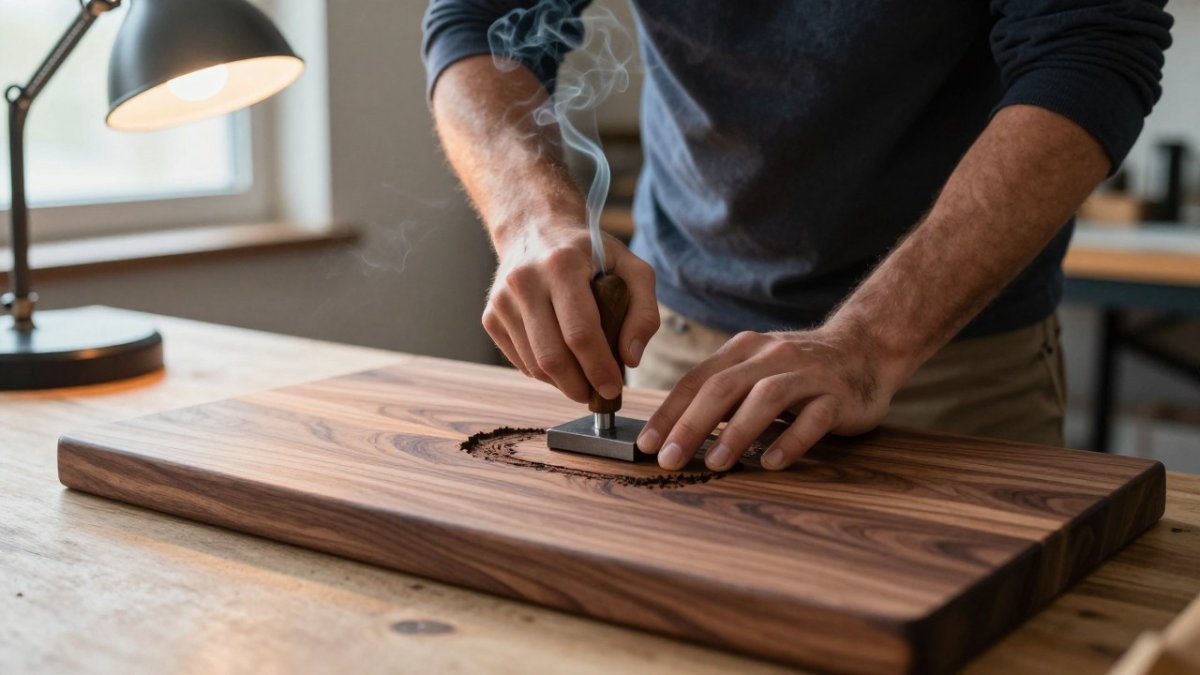
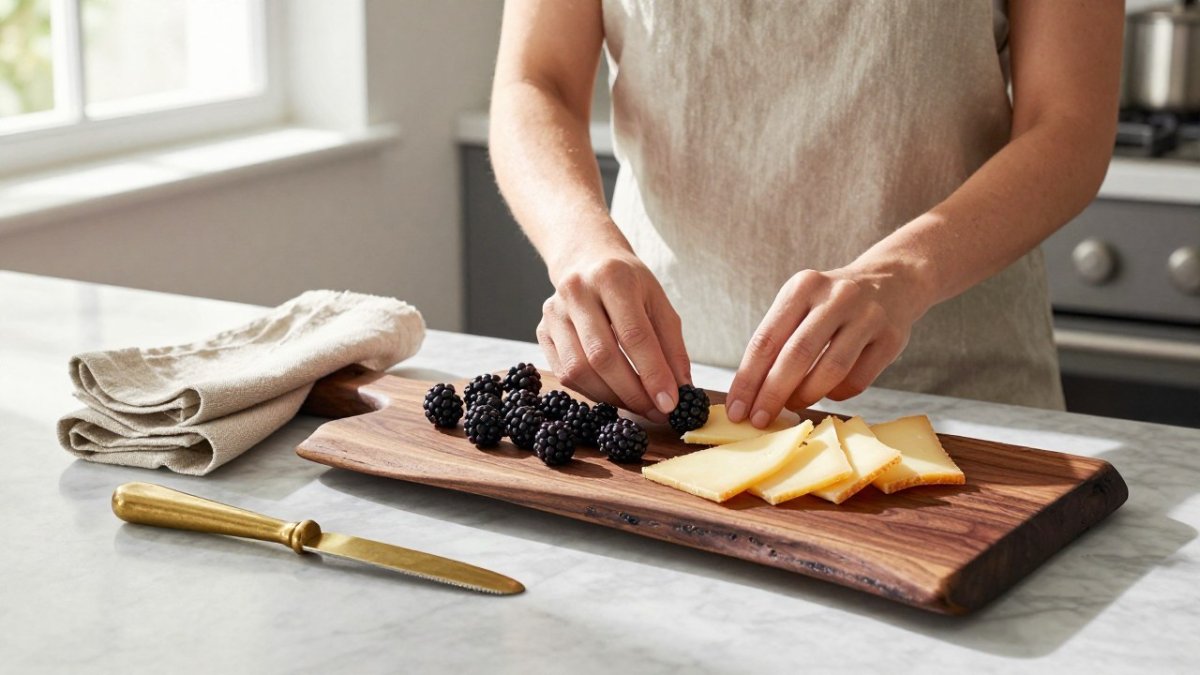
A wooden serving board or platter makes an excellent centerpiece because it brings natural texture to the table. Hand-selected hardwoods like black walnut, cherry, and African mahogany carry a grain pattern no ceramic can match, and a board finished with food-safe oils wipes clean easily, it moves from centerpiece to cheese course without fuss.
Keep the centerpiece low so guests can see across the table
Use unscented candles near food
Match wood tones to your linens, not the other way around
Leave breathing room between each place setting
Key Takeaway One beautiful wooden board does the work of three decorations. It anchors the table, holds the food, and gives guests something to talk about.
Troubleshoot Common Dinner Party Problems
Most dinner party problems are timing problems, and nearly all have a fix you can plan for now.
Food is late: Serve the starter while the main rests. Cold starters buy you 20 minutes.
A guest arrives with an allergy you did not know about: Keep one plain, unseasoned side on hand that works for almost anyone.
A dish burns: Have a backup plan, like a simple cheese and bread course, so the meal still flows.
Too many cooks: Give helpers small, clear jobs. Do not hand anyone the main dish.
Guests linger in the kitchen: Set drinks and snacks away from the stove so the room stays clear.
The real skill is staying calm. Guests take their cue from you.
Cleanup, Food Safety, and Leftovers
Cleanup goes faster in stages: scrape plates, stack like items, and soak pans before dessert.
Food safety matters here. The U.S. Department of Agriculture advises that perishable food should not sit out for more than two hours.
For wooden boards and platters, wash by hand with warm water and mild soap, then dry right away.
Store leftovers within two hours, label them with the date, and reheat only what you plan to eat.
Frequently Asked Questions
What should you not serve at an elegant dinner party?
Avoid dishes that require last-minute assembly, heavy sauces that can stain linens, or strongly scented foods like raw onion and fish that linger in the room. Skip messy finger foods that need multiple napkins. Also steer clear of anything a guest is allergic to once you have asked about dietary restrictions. A simple, well-executed menu beats a complicated one every time.
How far in advance should you plan a dinner party?
Send invitations two to three weeks ahead for a seated dinner so guests can arrange their schedules. Finalize your elegant dinner party menu ideas at least one week out, then build your dinner party planning checklist around shopping and prep days. Most of the cooking can be done one to two days before, leaving only reheating and plating for the day of the event.
How do you host a dinner party without spending the whole evening in the kitchen?
Choose dishes that taste better made ahead, such as braised meats, room-temperature vegetable sides, and assembled desserts. Write a dinner party timeline for hosts that front-loads prep work into the days before. Set out drinks and a simple appetizer before guests arrive so you can greet them, then plate courses in under ten minutes each so you actually sit down with your company.
How do you set a table for an elegant dinner party?
Start with a clean tablecloth or bare wood surface, then place dinner plates about an inch from the table edge. Forks go left, knives and spoons right, with the blade facing the plate. Add a water glass above the knife and a wine glass beside it. Keep the centerpiece low enough to see across the table, and use warm lighting or unscented candles to set the mood.
Get Unhinged Today!@

Comments